Interesting Facts About Garden Sheds | History, Uses & Modern Designs
Garden sheds may seem like simple outdoor structures, yet they have a remarkably rich and varied history. From ancient civilisations through to modern gardens, sheds have quietly evolved alongside human lifestyles, adapting to changing needs, technologies, and design trends.
This article explores a wide range of interesting facts about garden sheds, revealing how these humble buildings have been used across cultures, reimagined for countless purposes, and transformed into valuable additions to modern homes.
Garden sheds can trace their roots back thousands of years. In ancient Rome, small outbuildings were commonly used to store agricultural tools, equipment, and harvested produce. These early sheds played a vital role in managing land efficiently and protecting valuable resources.
Throughout medieval Europe, sheds became an essential feature of farms and estates. They were used to store hay, animal feed, carts, tools, and timber. Over time, as gardening shifted from subsistence to leisure, garden sheds migrated into domestic spaces.
In the United Kingdom, garden sheds hold a unique place in national culture. They are often seen as extensions of the home—used not only for storage, but also for work, relaxation, creativity, and escape from daily routines.
One of the most interesting facts about garden sheds is the sheer variety of ways they are used today. While traditional sheds stored tools and lawn equipment, modern sheds frequently function as workshops, studios, gyms, offices, and even guest accommodation.
Garden sheds in the UK range from simple timber builds to fully insulated structures complete with electricity, lighting, heating, and enhanced security. Some high-end sheds even feature plumbing and interior finishes comparable to indoor rooms.
The scale of sheds can also be surprising. The world’s largest garden shed is believed to be located in Australia, measuring around 30 metres by 20 metres. Known locally as the “Big Shed,” it serves as both a workshop and a shared commercial storage facility.
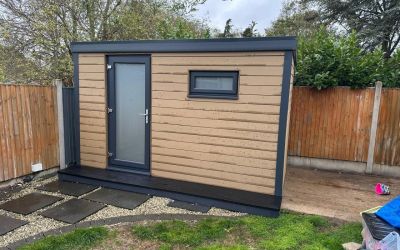
Garden sheds are constructed from a wide range of materials. Traditional timber remains popular, but sheds are now commonly built from composite cladding, metal, plastic, and even glass. Each material offers different benefits in durability, maintenance, and appearance.
One lesser-known fact is that garden sheds were among the first DIY garden buildings to be mass-produced. In the UK during the 1960s, prefabricated sheds became widely available, offering homeowners affordable and easy-to-assemble storage solutions.
As lifestyles evolved, sheds followed. The late 20th century saw the rise of hobby sheds—spaces dedicated to woodworking, mechanics, art, model making, and crafts. These sheds offered privacy and protection from both weather and household distractions.
Garden sheds are also known to have psychological benefits. Spending time in a shed can significantly reduce stress and improve mental wellbeing by creating physical separation between work, leisure, and domestic life.
This need for retreat is not new. In Japan, small garden structures known as meditation huts have long been used for contemplation and mindfulness. These simple buildings reflect the same calming principles found in modern garden sheds.
Colour trends for sheds are another interesting aspect. Earthy tones such as brown, green, and grey remain most popular because they blend seamlessly into garden landscapes. Bright and bold colours, however, are becoming increasingly fashionable.
Across the world, shed terminology and usage vary. In Australia, they are often referred to as “backyard sheds” and serve social as well as practical purposes. In the United States, they are commonly called “outdoor storage buildings.”
A well-built garden shed can also add real value to a property. Buyers often see sheds as flexible spaces that can be adapted to suit hobbies, storage needs, or home working arrangements.
The creativity of shed owners is celebrated annually through events like the UK’s “Shed of the Year” competition. This exhibition highlights sheds transformed into libraries, observatories, pubs, studios, and highly personalised retreats.
Garden sheds have also been used as venues for weddings, parties, and small events. Decorated with lighting, flooring, and furnishings, sheds can offer charm and intimacy that larger venues sometimes lack.
The popular concept of the “man cave” is closely associated with sheds. These spaces are often equipped with seating, entertainment systems, and refreshments, creating a personal sanctuary separate from the main house.
Creative professionals frequently use sheds as art studios. Natural light, privacy, and a dedicated workspace make sheds ideal for painting, writing, sculpting, and music production.
Eco-friendly sheds are growing in popularity. Many are constructed from reclaimed timber or recycled composites, while others incorporate solar panels and rainwater collection systems.
Luxury sheds have also emerged. One of the world’s most expensive garden sheds reportedly sold for approximately $800,000 and featured bespoke architecture, a living roof, and high-end interior finishes.
Mobile sheds add another layer of flexibility. Built on skids or trailers, these sheds can be relocated when needed, making them ideal for temporary workspaces or frequently changing environments.
Garden sheds play a vital role for households that rely on wood-burning stoves, providing dry and ventilated firewood storage to ensure efficient heating.
Tiny homes and minimalist living trends have drawn inspiration from sheds. Some are fully converted into compact living spaces with kitchens, bathrooms, and sleeping areas.
Collectors often use sheds to store and display items such as tools, memorabilia, and hobby collections. This keeps valuable items organised and safely stored away from the main home.
In rural parts of the United States, sheds sometimes function as fishing lodges or hunting cabins, offering simple but practical overnight accommodation.
Off-grid sheds represent another fascinating trend. Powered by solar energy and fitted with rainwater systems, they support sustainable and independent living.
Sheds are also used as educational spaces, hosting workshops, classes, and training sessions in relaxed outdoor environments.
Entertainment sheds have become increasingly popular, transforming into garden bars, cinemas, or music rooms complete with lighting, soundproofing, and insulation.
Some homeowners convert sheds into rental accommodation, creating additional income streams while maximising available garden space.
Perhaps the most important takeaway from these interesting facts about garden sheds is how far they have come. The modern preference is for stylish, durable, and long-lasting solutions such as a composite garden shed, which offers minimal maintenance and superior longevity compared to traditional timber sheds.
From ancient tool storage to sophisticated multi-purpose spaces, garden sheds continue to evolve—proving that even the most modest structures can tell extraordinary stories.
If you would like to talk to a member of our friendly staff about our garden sheds, we would be very happy to hear from you. You can call us free on 0800 170 1272 Monday To Friday 9.00am to 5.00pm.