Wine Sheds: Garden Wine Rooms, Storage & Tasting Spaces
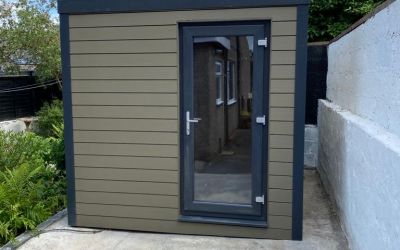
Wine sheds are one of the fastest-growing garden building trends, combining the tradition of wine appreciation with the practicality and flexibility of modern outdoor spaces. Designed specifically for storing, tasting, and enjoying wine, a wine shed transforms a garden into a refined retreat that celebrates both craftsmanship and lifestyle.
Unlike standard storage sheds, wine sheds are purpose-built environments. They carefully balance temperature control, insulation, security, and aesthetics to create ideal conditions for wine preservation while offering a welcoming space for entertaining and relaxation.
As wine collecting becomes more popular across the UK, homeowners are increasingly seeking alternatives to indoor storage. Limited space, fluctuating temperatures, and lifestyle changes have fuelled demand for garden-based wine rooms that combine form and function.
This article explores what wine sheds are, why they are growing in popularity, how they are designed, and how they can be tailored to suit both casual wine lovers and serious collectors.
What Are Wine Sheds?
Wine sheds are specialist garden buildings designed specifically for wine storage and enjoyment. They range from compact wine storage sheds to fully insulated wine tasting rooms complete with shelving, lighting, seating, and climate control.
Some wine sheds focus purely on storage—creating an ideal cellar-like environment—while others are designed as social spaces where owners can host tastings, dinners, and informal gatherings.
The defining feature of all wine sheds is environmental control. Wine is sensitive to temperature fluctuations, humidity changes, and sunlight. A properly designed wine shed addresses all of these factors.
Modern wine sheds often blur the line between shed, garden room, and lifestyle space. Many homeowners now see them as an extension of their home rather than a simple outbuilding.
Why Wine Sheds Are Growing in Popularity
The popularity of wine sheds reflects broader lifestyle trends. Wine appreciation has become more accessible, with more people discovering regional wines, collecting bottles, and hosting tastings at home.
At the same time, homes are under increasing pressure for space. Kitchens and dining rooms are rarely designed for long-term wine storage, and indoor cellars are uncommon in many modern UK homes.
Wine sheds offer a practical solution by relocating wine storage outside while maintaining ideal storage conditions. They also provide a dedicated space for enjoying wine without disrupting the main household.
Another key driver is the rise of garden living. Outdoor spaces are now seen as valuable lifestyle areas rather than purely functional gardens. Wine sheds align perfectly with this shift.
The Ideal Conditions for Storing Wine
Understanding wine storage requirements is essential to designing an effective wine shed. Wine is a living product that evolves over time, and poor storage conditions can permanently damage its quality.
Temperature stability is critical. Most wines should be stored between 10°C and 14°C, with minimal daily or seasonal fluctuation.
Humidity control is equally important. Too little humidity causes corks to dry out, while excess moisture encourages mould growth. An ideal range is typically between 55% and 75%.
Light exposure must be limited. UV light can degrade wine, especially lighter bottles. Wine sheds are typically designed with minimal glazing or UV-protected glass.
Vibration should also be reduced. Solid foundations and high-quality construction prevent unnecessary movement that can disturb sediment in aging wines.
How Wine Sheds Are Designed
Designing a wine shed starts with structure. High-quality timber or composite construction provides strength, durability, and thermal stability.
Fully insulated walls, floors, and roofs are essential for maintaining consistent internal temperatures. Modern wine sheds often use multi-layer insulation systems paired with breathable membranes to manage moisture.
Ventilation is carefully controlled to allow airflow without allowing heat or cold ingress. In larger wine sheds, climate control systems or wine-specific cooling units are installed.
Lighting is another key design element. Soft, low-heat LED lighting is preferred, avoiding direct exposure to bottles while enhancing the visual appeal of the space.
Wine Storage Solutions Inside a Wine Shed
Interior storage is central to the functionality of wine sheds. Custom wine racks allow bottles to be stored horizontally, keeping corks moist and secure.
Racks may be constructed from wood, metal, or a combination of both. Timber racks offer warmth and tradition, while metal systems provide modern aesthetics and modular flexibility.
Many wine sheds also include dedicated areas for magnums, champagne bottles, and special collections.
For collectors, labelled shelving and inventory zones make organisation and access easy, turning the shed into a true personal cellar.
Wine Tasting Sheds and Entertainment Spaces
Beyond storage, many wine sheds are designed as wine tasting rooms. These spaces allow owners to enjoy their collection in comfort without needing to convert indoor rooms.
Seating areas may include tasting tables, bar stools, or lounge furniture, depending on the intended atmosphere.
Wine tasting sheds often include display shelving, artwork, and subtle décor to create a refined yet relaxed environment.
Some homeowners incorporate integrated sound systems, mini fridges, or even small kitchen areas for food pairing experiences.
Security and Protection for Valuable Collections
Wine collections can represent significant financial value, making security an important consideration for wine sheds.
High-quality doors with insurance-approved locks, reinforced frames, and laminated double glazing help protect contents.
Many wine sheds include alarm systems, motion sensors, and discreet external lighting to deter theft.
Composite and timber garden buildings used for wine storage are built with strength in mind, offering far greater security than lightweight garden sheds.
Composite Wine Sheds vs Traditional Timber
While traditional timber wine sheds remain popular, composite wine sheds are increasingly preferred for long-term performance.
Composite cladding is resistant to moisture, rot, insects, and UV fading. This makes it ideal for maintaining stable internal conditions over decades.
Unlike timber, composite materials require little to no maintenance, meaning the structure remains consistent without regular repainting or sealing.
This stability is particularly important for wine sheds, where structural changes can affect insulation and humidity performance.
Aesthetic Appeal in the Garden
A wine shed should enhance the garden visually as well as functionally. Modern designs allow wine sheds to blend seamlessly into contemporary or traditional landscapes.
External finishes range from sleek, modern composite panels to natural timber cladding, depending on personal preference.
Subtle landscaping, lighting, and pathways can further integrate a wine shed into the garden, making it feel like a destination rather than an outbuilding.
Planning Permission and Regulations
Most wine sheds fall under permitted development rights in England, meaning planning permission is not required if size and placement conditions are met.
Buildings must remain single storey, within height restrictions, and positioned appropriately in relation to boundaries.
Local regulations may vary, particularly in conservation areas or listed properties, so professional advice is recommended during planning.
Wine Sheds as an Investment
Wine sheds not only protect valuable collections but can also add appeal and value to a property.
Well-designed garden rooms are increasingly sought after by buyers who value flexible outdoor spaces.
A professionally built wine shed demonstrates both lifestyle enhancement and long-term practicality, making it a strong selling feature.
The Future of Wine Sheds
As home living continues to evolve, wine sheds are expected to become even more sophisticated.
Smart climate monitoring, app-controlled lighting, and integrated inventory tracking are already emerging design features.
Sustainability is another growing influence, with eco-friendly materials and energy-efficient systems becoming standard.
Conclusion
Wine sheds represent the perfect blend of tradition, craftsmanship, and modern outdoor living. Whether used for secure storage, refined tasting, or social entertaining, they offer a dedicated space that elevates both wine appreciation and garden design.
By combining insulation, security, and bespoke interiors, wine sheds provide a long-term solution for collectors and enthusiasts seeking to protect and enjoy their wines in style.
As demand continues to grow, wine sheds are quickly becoming one of the most desirable and versatile garden buildings available today.
If you would like to talk to a member of our friendly staff about our garden sheds, we would be very happy to hear from you. You can call us free on 0800 170 1272 Monday To Friday 9.00am to 5.00pm.