Writing Sheds: Create a Peaceful Garden Retreat for Focus, Creativity, and Productivity
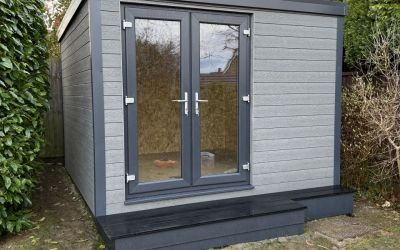
Writing has always required more than just words on a page. It demands clarity of thought, emotional depth, imagination, and—perhaps most importantly—space. For many writers, creating meaningful work depends on having an environment that supports focus and creativity. This is why Writing Sheds have become increasingly popular as dedicated garden retreats for authors, journalists, poets, bloggers, and creatives of all kinds.
The idea of using a garden shed as a writing space is not new, but in recent years it has experienced renewed interest. As homes become busier, noisier, and more multifunctional, writers are seeking quiet, purpose-built spaces away from daily distractions. A writing shed provides separation, calm, and a ritualised place for creativity to flourish.
This article explores the enduring popularity of writing, the importance of privacy and silence for creative work, the advantages of setting up a writing shed in the garden, how to design the ideal space for productive writing, and how famous writers have used garden retreats to produce some of the world’s most loved literature.
Why Writing Is Popular
Writing remains one of the most powerful and accessible forms of human expression. Across centuries and cultures, people have written to record history, tell stories, explore emotions, and understand the world around them. At its core, writing allows individuals to transform thoughts into something tangible and enduring.
One reason writing is so popular is its versatility. Writing can be personal or public, fictional or factual, reflective or activist. It can take the form of novels, poetry, journaling, screenplays, blogs, essays, or letters. This flexibility means writing appeals to people from all backgrounds, regardless of age or experience.
Writing also offers a deeply personal outlet. Many people turn to writing to process emotions, make sense of experiences, or explore ideas they cannot easily express aloud. For others, writing is a way to escape everyday reality and build entirely new worlds, characters, and narratives.
In the digital age, writing has become more relevant than ever. Online publishing, self-publishing, blogging, and content creation have allowed writers to reach global audiences. At the same time, this accessibility has increased competition and pressure, making focus and quality even more important. This has intensified the demand for quiet, distraction-free environments such as Writing Sheds.
The Need for a Private and Quiet Place for Writing
Writing requires sustained concentration. Unlike many other tasks, creative writing depends on entering a deep, uninterrupted mental state often described as “flow.” Interruptions—even brief ones—can break this flow and make it difficult to regain momentum.
Modern homes, while comfortable, are often filled with distractions: background noise, conversations, screens, pets, deliveries, and household responsibilities. Even a spare bedroom can struggle to provide the psychological separation needed for deep creative work.
This is where Writing Sheds excel. A separate structure in the garden offers both physical and mental distance from the demands of everyday life. Simply stepping into a writing shed signals a shift into creative mode.
Privacy also allows writers to work without self-consciousness. Many writers need freedom to experiment, write poorly at first, explore unfinished ideas, or follow unexpected creative paths. A private space offers permission to fail and refine without fear of judgement.
Quiet surroundings further enhance creative output. Natural garden settings provide gentle, non-intrusive sounds—wind in the trees, birdsong, distant movement—that promote calm without distraction. This balance between silence and subtle ambience is ideal for writing.
Benefits of a Writing Shed in the Garden
Garden-based Writing Sheds offer a unique combination of practical and psychological benefits that directly support the writing process.
Connection with nature: Being close to nature has been shown to improve concentration, reduce stress, and enhance creative thinking. Views of greenery, natural light, and fresh air can stimulate imagination and mental clarity.
Creative separation: A garden writing shed establishes boundaries between writing life and home life. This separation helps writers avoid burnout and maintain a healthier creative routine.
Fewer interruptions: With no televisions, household noise, or digital distractions, a writing shed creates a focused environment where uninterrupted writing sessions become the norm.
Routine and discipline: Having a dedicated writing space encourages consistency. Writers are more likely to develop regular habits when they have a place designed specifically for writing.
Personal identity: A writing shed becomes part of a writer’s identity. It is a visible commitment to their craft and a symbol of taking writing seriously.
For professional writers, hobbyists, or those just beginning their writing journey, these benefits can dramatically improve productivity and satisfaction.
Notable Figures and Novels Associated with Garden Sheds
Throughout literary history, many celebrated writers have turned to garden retreats to do their best work, reinforcing the timeless appeal of Writing Sheds.
Roald Dahl famously wrote in a small writing hut in his garden in Great Missenden. Seated in an armchair surrounded by notebooks and pencils, Dahl crafted beloved stories such as “Matilda,” “Charlie and the Chocolate Factory,” and “The BFG.” His shed allowed him to escape distractions and focus on storytelling with childlike imagination.
Virginia Woolf worked from a writing lodge on the grounds of her Sussex home. This quiet space supported her deep, experimental writing style and played a role in the creation of works like “Mrs. Dalloway.” Woolf famously argued for the importance of a private room, and her garden writing space embodied that philosophy.
George Bernard Shaw used a rotating garden hut so he could always face the sun while writing. His shed became a place of disciplined creativity where many of his plays and essays took shape.
These examples show that Writing Sheds are not a modern trend but a proven environment for producing meaningful literature.
Setting Up the Writing Shed for Optimal Creativity
Designing an effective writing shed involves balancing comfort, practicality, and inspiration. The goal is to create a space where writing feels effortless and inviting.
Insulation and comfort: Proper insulation ensures the shed can be used year-round. A comfortable temperature helps maintain focus and prevents writing sessions from being cut short.
Natural light: Windows and skylights provide daylight that boosts mood and energy. Position desks to make the most of outdoor views without glare.
Furniture: A comfortable chair and a spacious, uncluttered desk are essential. Ergonomics matter—poor seating can limit writing time due to discomfort.
Lighting: Adjustable lighting allows writing at any time of day. Warm light creates a relaxing atmosphere, while brighter task lighting supports editing and research.
Storage: Shelves for books, notebooks, and reference materials keep the space organised and mentally clear.
Personal touches: Artwork, quotes, photographs, plants, or meaningful objects can inspire creativity and make the shed feel personal.
Technology: For modern writers, reliable electricity and internet access may be required for research, communication, and digital publishing.
With thoughtful setup, a garden writing shed becomes a place writers want to return to day after day.
Conclusion
Writing remains one of the most meaningful ways to explore ideas, emotions, and stories. However, creativity flourishes best in an environment that supports focus, reflection, and imagination.
Writing Sheds offer writers a peaceful garden retreat—free from distraction and rich in inspiration. By combining privacy, comfort, and a connection to nature, a writing shed provides the ideal conditions for deep creative work.
As shown by literary greats such as Roald Dahl and Virginia Woolf, dedicated garden spaces have long played a role in great writing. Whether used for novels, poetry, journaling, blogging, or professional work, a writing shed can become the foundation of a productive and fulfilling creative practice.
If you are serious about writing—or want to be—a garden writing shed may be the most valuable investment you can make in your craft.
If you would like to talk to a member of our friendly staff about our garden sheds, we would be very happy to hear from you. You can call us free on 0800 170 1272 Monday To Friday 9.00am to 5.00pm.