Music Sheds: Creating the Perfect Garden Space for Practice, Recording & Creativity
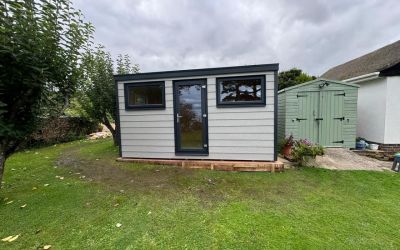
Music has an extraordinary ability to connect people across cultures, generations, and backgrounds. Its influence is deeply rooted in human history, serving as a form of communication, celebration, and emotional expression. As people increasingly seek creative outlets and personal wellbeing through music, the need for dedicated, inspiring spaces has grown. In response, Music Sheds have emerged as a highly desirable solution for musicians and music lovers alike.
Whether someone is learning an instrument, practicing regularly, composing original works, or simply enjoying music without interruption, having a purpose-built space can dramatically enhance the experience. A garden shed offers privacy, separation from the main home, and the flexibility to be transformed into a music-focused environment tailored to individual needs.
In this article, we explore why music holds such universal appeal, the wide range of musical instruments and forms of engagement people enjoy, and the many advantages of using a garden shed as a dedicated music space. We also explain how to optimise a garden shed to create a comfortable, practical, and inspiring music environment.
Why is Music So Popular?
The global popularity of music is driven by its powerful connection to human emotion. Music has the unique ability to evoke memories, feelings, and moods that words alone often cannot express. From moments of joy and celebration to reflection and comfort, music becomes intertwined with life’s most meaningful experiences.
Music also plays a central role in identity and self-expression. Through listening, performing, or creating music, individuals can communicate who they are, what they feel, and how they see the world. This expression offers emotional release and personal fulfilment, which is why music is so deeply valued across societies.
Additionally, music is a universal language. Regardless of age, nationality, or background, melody and rhythm are understood instinctively. This universality allows music to bridge cultural divides and create shared experiences, whether through live performances, recordings, or communal listening.
Another reason for music’s enduring popularity is accessibility. While some instruments require years of training, music itself can be enjoyed instantly. With modern technology, people now have unlimited access to global music libraries, allowing them to explore genres, artists, and styles with ease.
This growing engagement with music—both active and passive—has led many enthusiasts to seek spaces where they can focus, practice, and explore creativity without limitation. This is where Music Sheds play a vital role.
Types of Instruments and Musical Engagement
The world of music encompasses an extraordinary range of instruments, styles, and forms of participation. Traditional acoustic instruments remain hugely popular and continue to form the backbone of musical education and performance.
Instruments such as the piano offer remarkable versatility and expressive range, making them a favourite for composers and performers across genres. Guitars, both acoustic and electric, remain among the most widely played instruments due to their portability and adaptability. Violins and other string instruments bring emotional depth and precision, while drums and percussion provide rhythm and energy across countless musical styles.
Beyond traditional instruments, technological advancements have dramatically expanded musical engagement. Digital keyboards, synthesisers, drum machines, and electronic interfaces allow musicians to create sounds that were previously impossible. Music production software enables individuals to compose, record, and edit songs entirely from a personal workspace.
Electronic music, home recording, podcasting, and sound design have all contributed to the demand for private creative spaces. These pursuits often require focus, sensitive equipment, and sound control—making Music Sheds an ideal solution.
Importantly, musical engagement is not limited to playing instruments. Many people find immense enjoyment simply in listening to music attentively. A dedicated music shed can also serve as a listening room, where sound quality, acoustics, and atmosphere are carefully controlled to enhance appreciation.
Benefits of Using a Garden Music Shed
A garden music shed offers a wide range of benefits for musicians, producers, and music lovers. One of the most important advantages is privacy. In a busy household or urban environment, uninterrupted practice can be difficult. A separate garden structure provides a retreat where individuals can fully immerse themselves in music.
Privacy naturally leads to improved focus. Without background noise or interruptions, musicians can practice more effectively, experiment freely, and make mistakes without self-consciousness. This freedom supports creativity, confidence, and progress.
Another key benefit of Music Sheds is sound isolation. A properly insulated shed can significantly reduce sound transmission, allowing musicians to play at any hour without disturbing others. This is especially valuable for drummers, vocalists, and amplified instruments.
Organisation is another major advantage. A garden music shed provides dedicated storage for instruments, audio equipment, cables, stands, and sheet music. Keeping everything set up and accessible saves time and ensures instruments are stored safely in a stable environment.
Psychologically, having a defined music space reinforces commitment. Entering a music shed signals practice or creative time, helping establish routines and discipline. Over time, this consistency leads to noticeable improvement and deeper engagement with music.
Additionally, Music Sheds add value beyond functionality. They enhance lifestyle quality, support wellbeing, and can become a cherished personal retreat within the garden.
Setting up the Garden Music Shed for Optimal Experience
To get the most from Music Sheds, thoughtful planning and design are essential. The goal is to create a space that is acoustically balanced, comfortable, and inspiring.
Insulation and Soundproofing: Proper insulation is crucial. Adding sound-absorbing materials such as acoustic panels, foam, rubber underlay, or dense insulation to walls, ceilings, and floors helps reduce sound leakage and internal echo. While full soundproofing can be complex, substantial noise reduction is achievable with the right materials.
Lighting: Lighting significantly affects mood and concentration. Natural light from windows or skylights can enhance creativity, while adjustable artificial lighting allows musicians to tailor the atmosphere. Warm lighting creates a relaxed feel, while brighter lighting supports detailed work.
Ventilation and Climate Control: Musical instruments are sensitive to temperature and humidity. Proper ventilation prevents moisture build-up and protects instruments from damage. Heating solutions ensure year-round comfort, making the shed usable in all seasons.
Storage and Organisation: Installing instrument racks, wall mounts, shelves, and drawers keeps equipment safe and organised. Dedicated storage reduces clutter and protects instruments from accidental damage.
Seating and Comfort: Comfortable seating supports longer practice sessions. Ergonomic chairs, stools, or sofas help prevent strain. Rugs and soft furnishings can further improve acoustics and comfort.
Acoustic Treatment: Acoustic panels, bass traps, and diffusers improve sound quality within the shed. These treatments reduce echoes, control low frequencies, and create a balanced listening environment ideal for both practice and recording.
Electrical Setup: Music equipment often requires reliable power. Installing sufficient sockets, surge protection, and cable management ensures safe operation of amplifiers, mixers, computers, and recording gear.
Conclusion
Music remains one of the most powerful and meaningful forms of human expression. Its ability to inspire creativity, emotional connection, and personal growth makes it a lifelong pursuit for many.
Music Sheds provide an exceptional solution for musicians and music lovers seeking dedicated space. By transforming a garden shed into a music-focused environment, individuals gain privacy, sound control, organisation, and creative freedom.
A thoughtfully designed garden music shed supports consistent practice, creative exploration, and enjoyment of music without compromise. Whether used for playing instruments, recording, composing, or focused listening, a music shed becomes a sanctuary for sound.
In an increasingly busy world, having a personal space devoted to music is not only practical—it is invaluable. With the right setup, a music shed can become the heart of musical growth, inspiration, and lasting fulfilment.
If you would like to talk to a member of our friendly staff about our garden sheds, we would be very happy to hear from you. You can call us free on 0800 170 1272 Monday To Friday 9.00am to 5.00pm.